How our clothes are made
Every piece is designed by Marieke and made by hand in Dakar, by two tailors we trust, from fabrics that are woven, dyed and painted by hand.
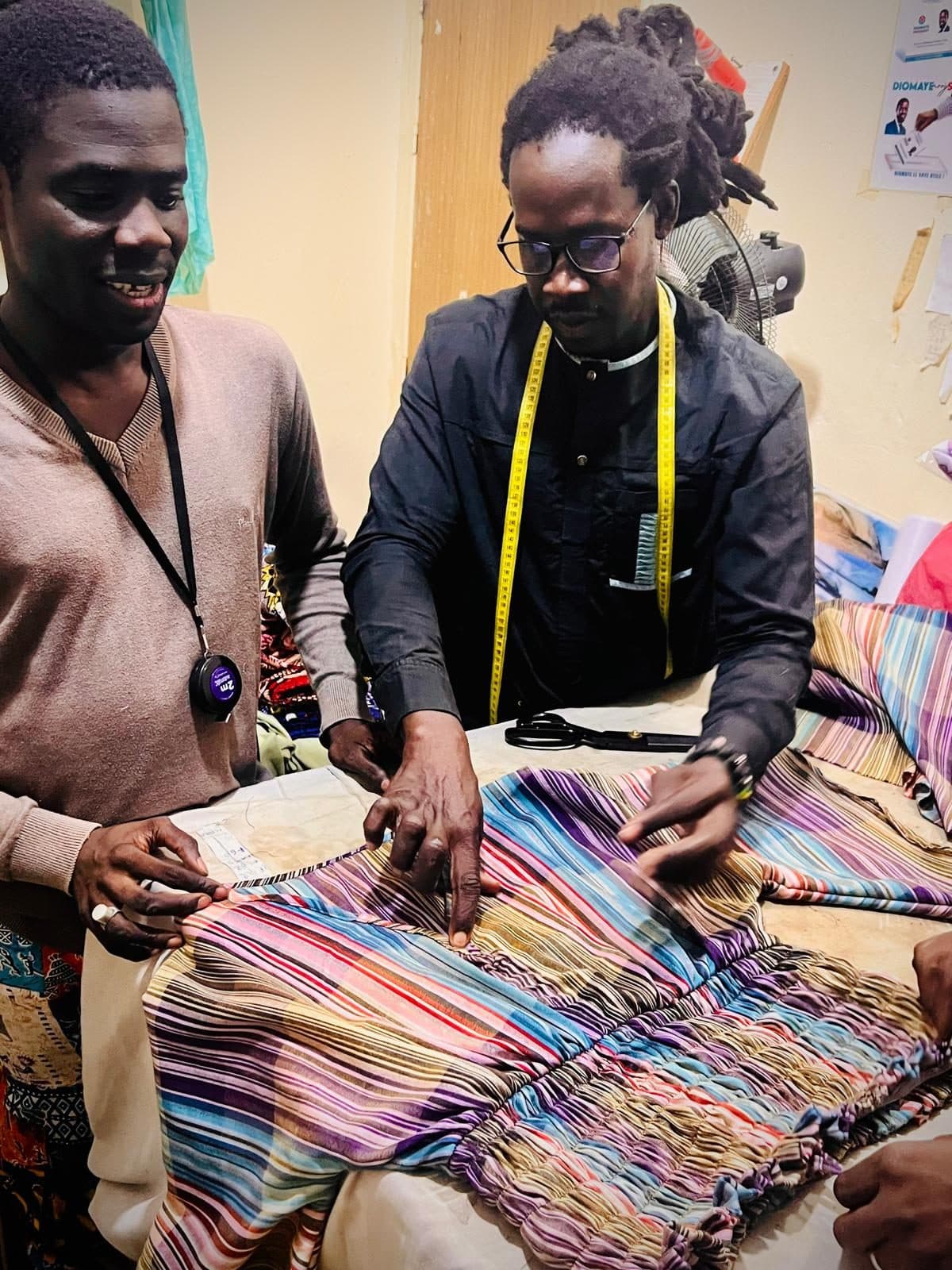
Made by our tailors in Dakar
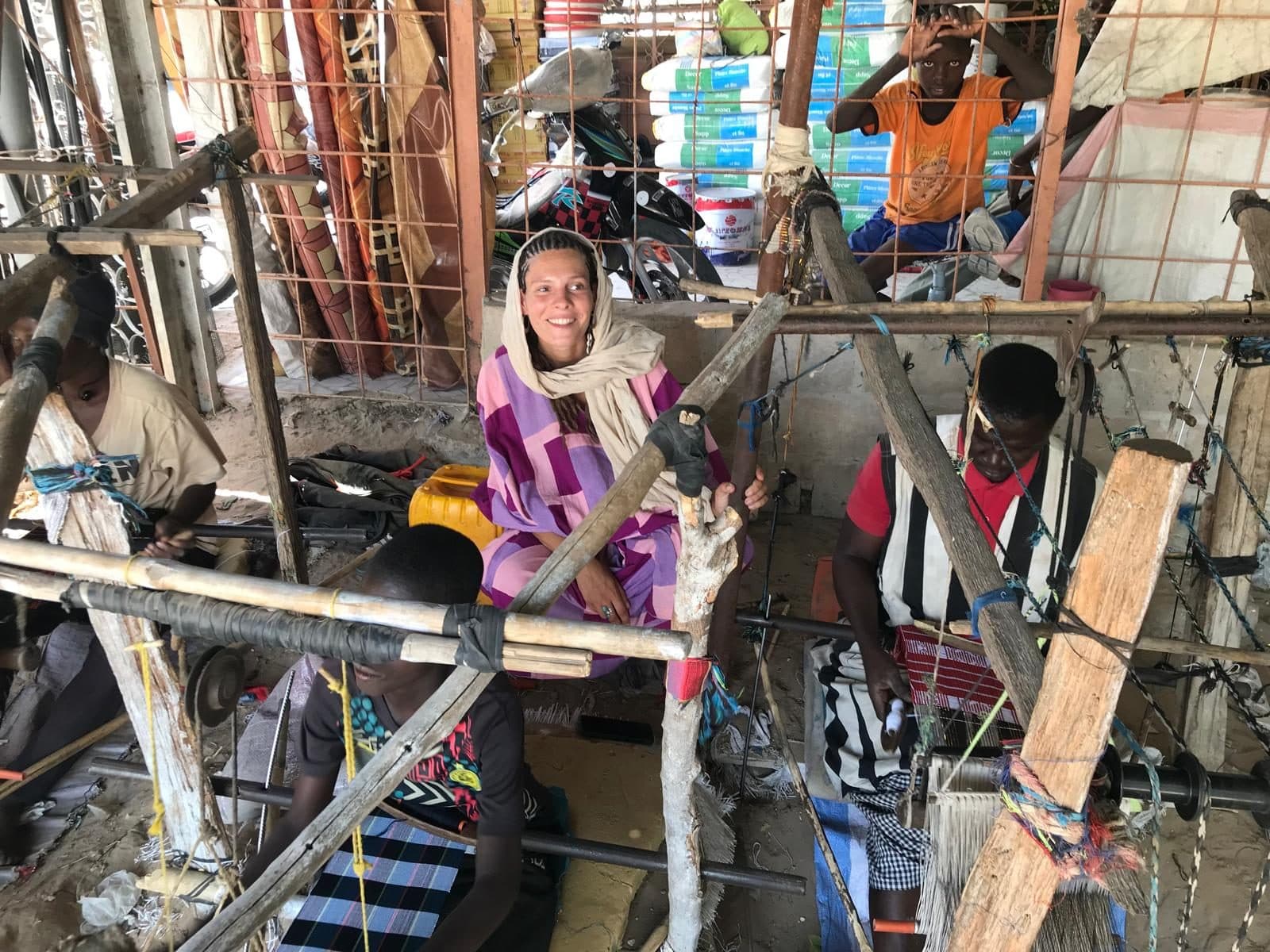
Our clothes are made by Cheikh Ndiaye and Mohamed Soumaré, two friends of Souley. They live and work in Keur Massar, a neighbourhood of Dakar, in a community collective of tailors: when one of them has more work than he can finish in time, they share it.
We started working with them after a few bad experiences with earlier tailors. Luckily Souley knew two good and reliable tailors, and we have now worked together happily for two years. We pay them well. In the winter months they are busy making the new Jantebi collection. I am very grateful for this collaboration.
From prototype to piece
How long one piece takes depends on what it is. On average it is around three hours. Bogolan jackets are a lot more complicated, because the fabric is very thick.
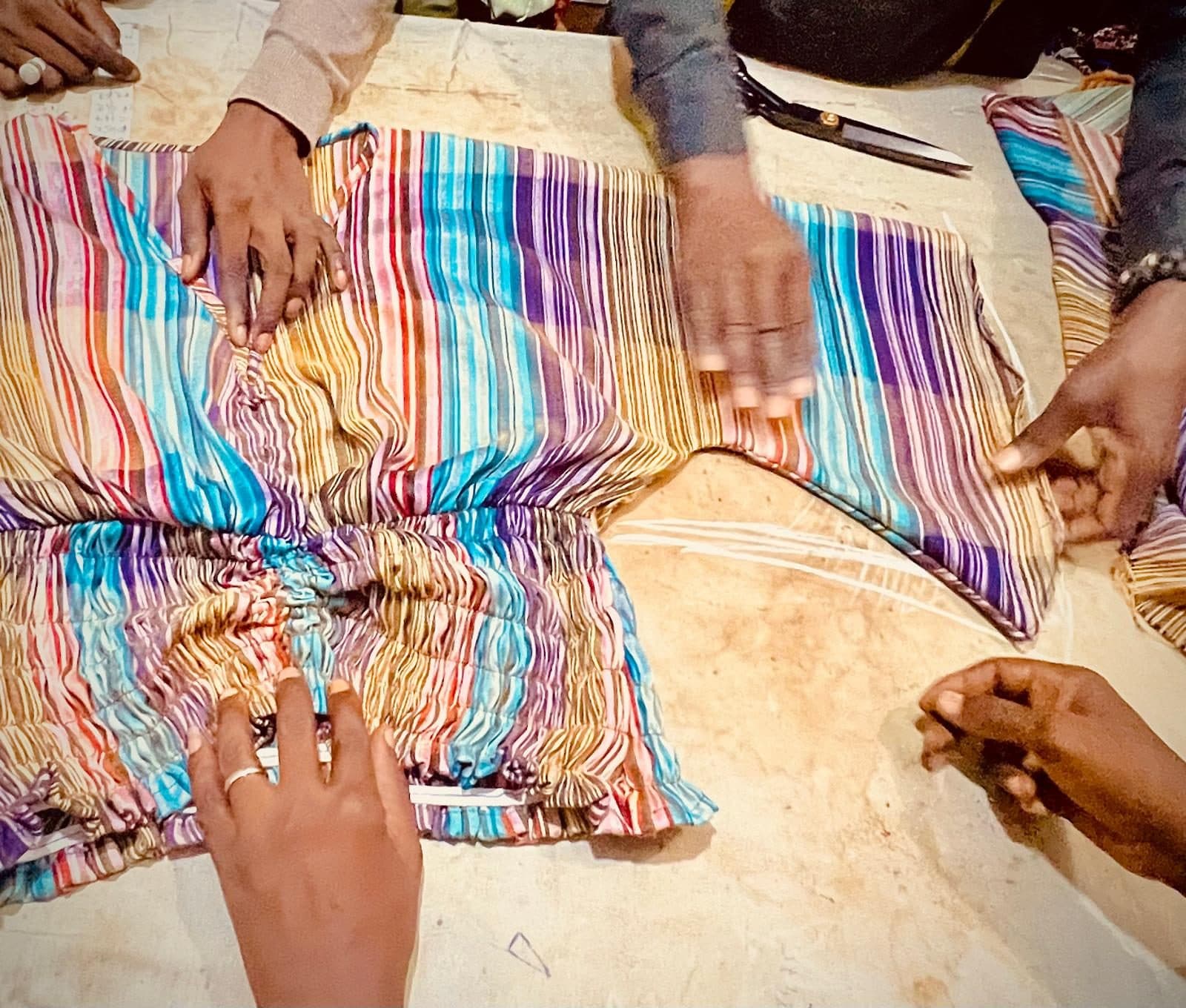
We always start with a prototype, and then decide on the final design. How many pieces we make of a design depends purely on the fabric: how much of it I can find at the markets in Dakar. There are always fewer bogolan and Faso Dan Fani pieces, because these fabrics are much more expensive to buy.
Finding the fabrics
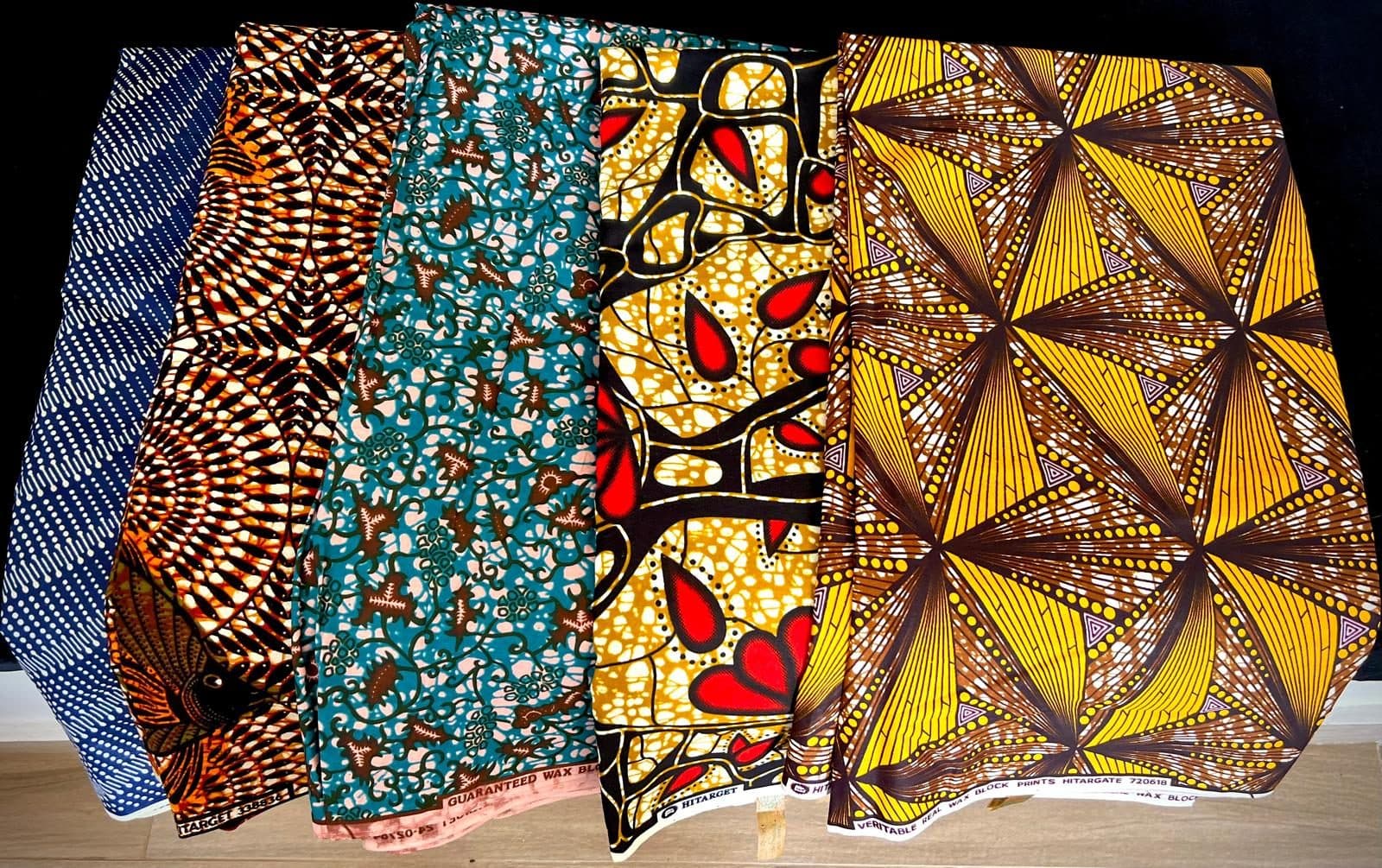
Even though I have slowly found my addresses, it is always a surprise what fabrics I come across. Especially for bogolan and Faso Dan Fani, it is not easy to find the authentic, handwoven versions in 100% cotton. Nowadays a lot is made in factories, with polyester and without the real hand printing that bogolan should have.
I go by feeling. If a fabric doesn't feel pure enough, it doesn't come with me.
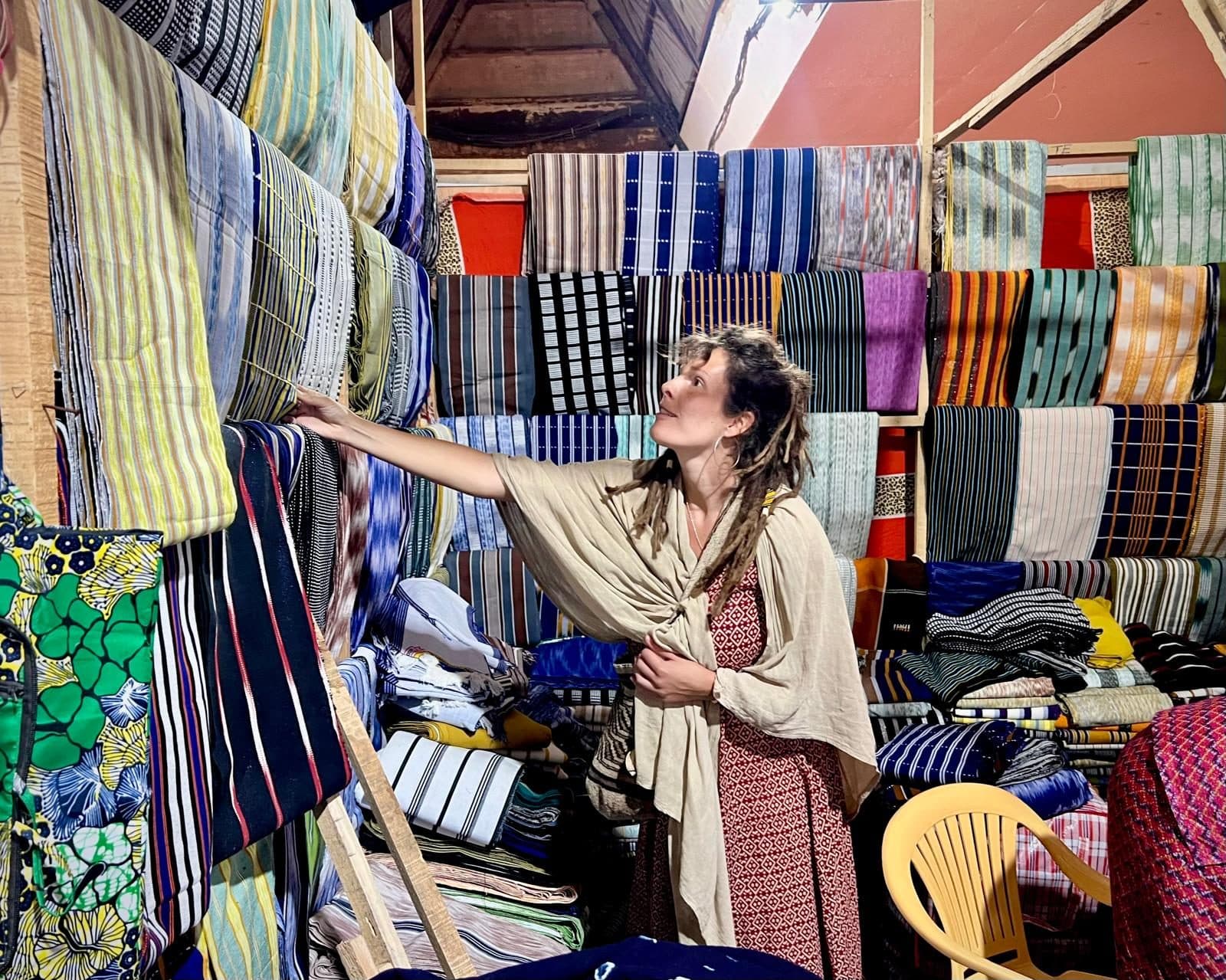
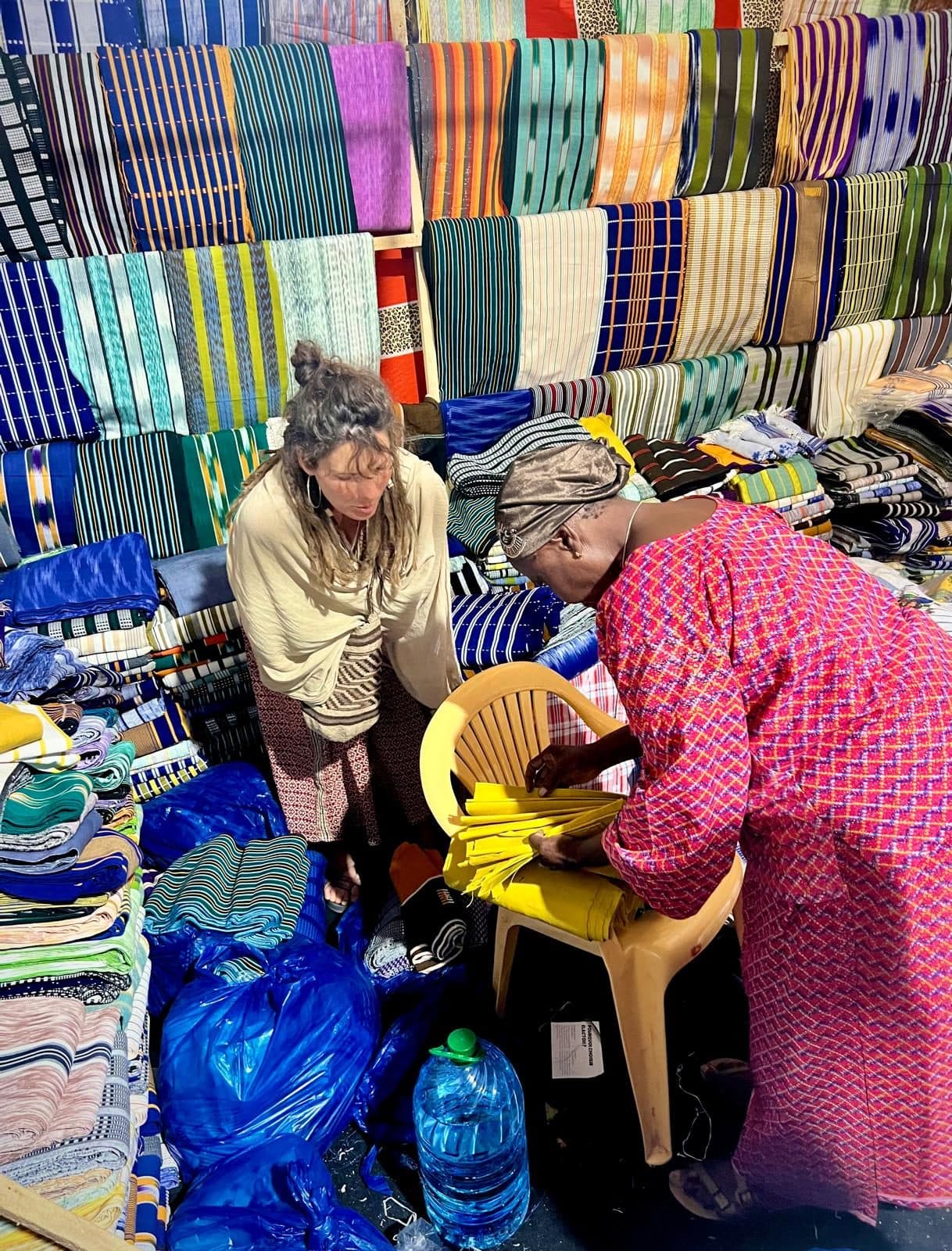
- Wax fabric: original Senegalese thick printed cotton. By wearing and washing, the fabric gets more flexible and softer.
- Bogolan: a thick, handwoven fabric from Mali, painted by hand with fermented clay in earthy colors. It is traditionally used for the energetical protection of the body.
- Faso Dan Fani: a traditional fabric, handwoven in Burkina Faso. We use it for jackets and gilets, and as woven details on dresses, kaftans and jumpsuits.
- Rabal: fabric woven by hand on wooden looms, with the traditional Senegalese technique called Rabal. We use it for our jackets.
- Malikan: a beautiful, strong cotton made entirely in Senegal, mostly in the region around Diourbel. This is the cotton we have dyed naturally.
- Batik, soft cotton and linen for tops, skirts and shirts.
Natural dyes
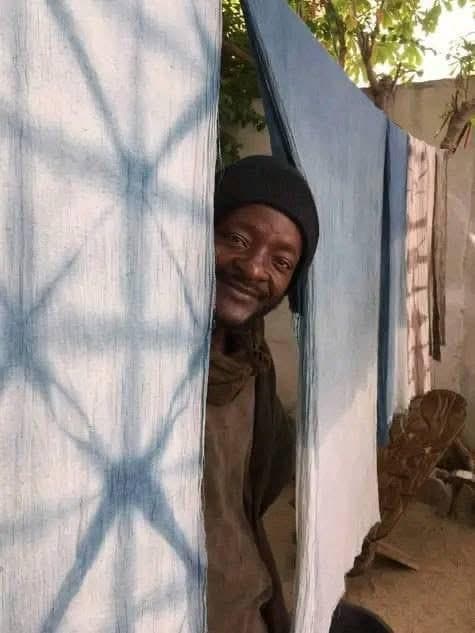
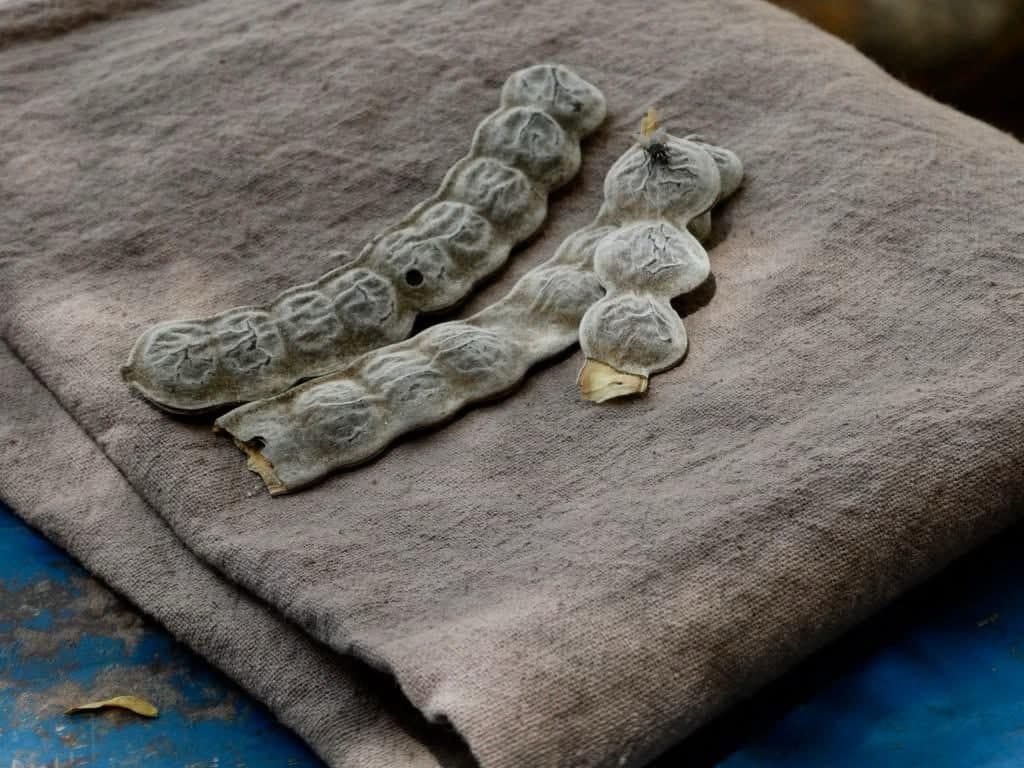
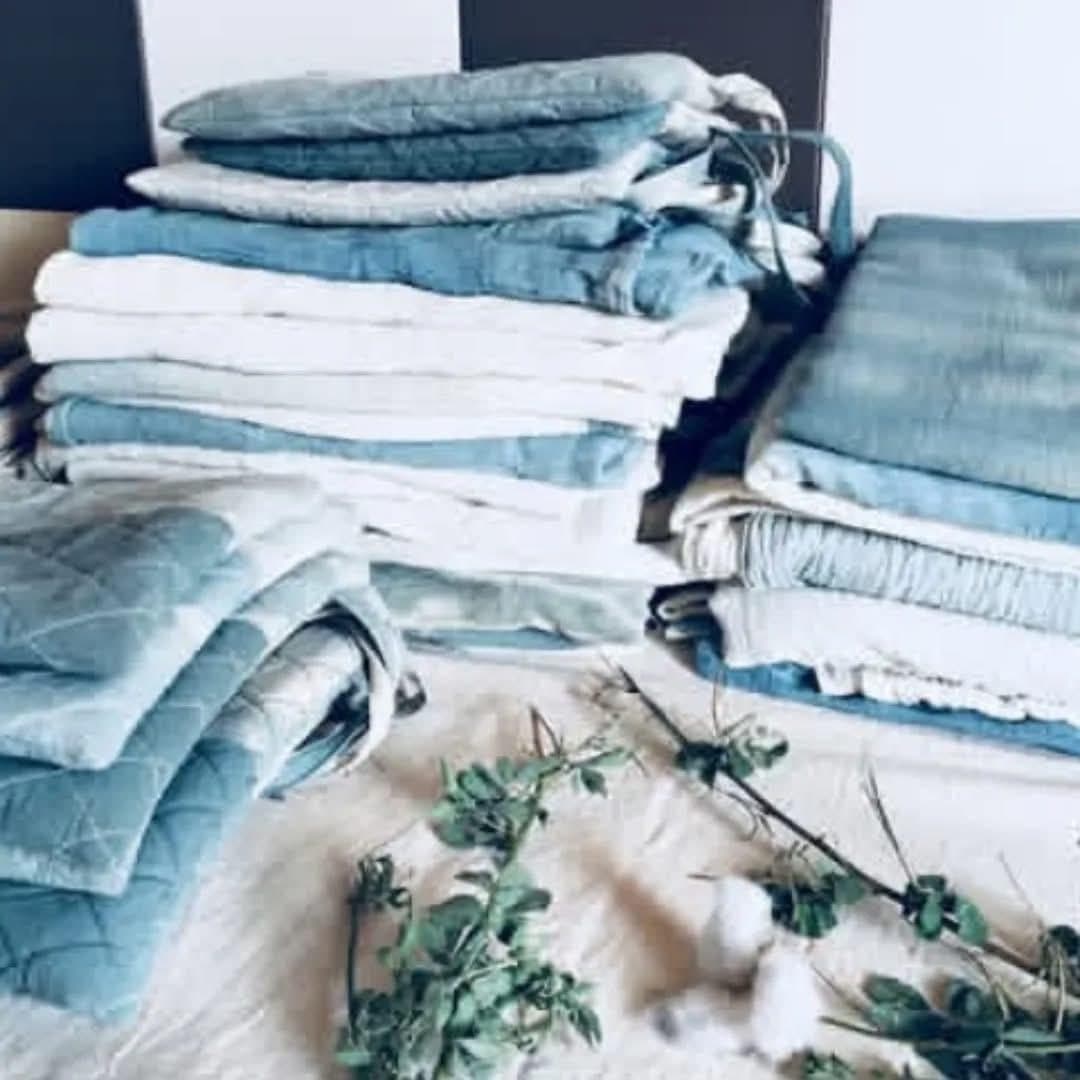
Our naturally dyed fabrics are made by Kouza, an independent dyer who lives a little north of Dakar. I have worked with him since the very beginning.
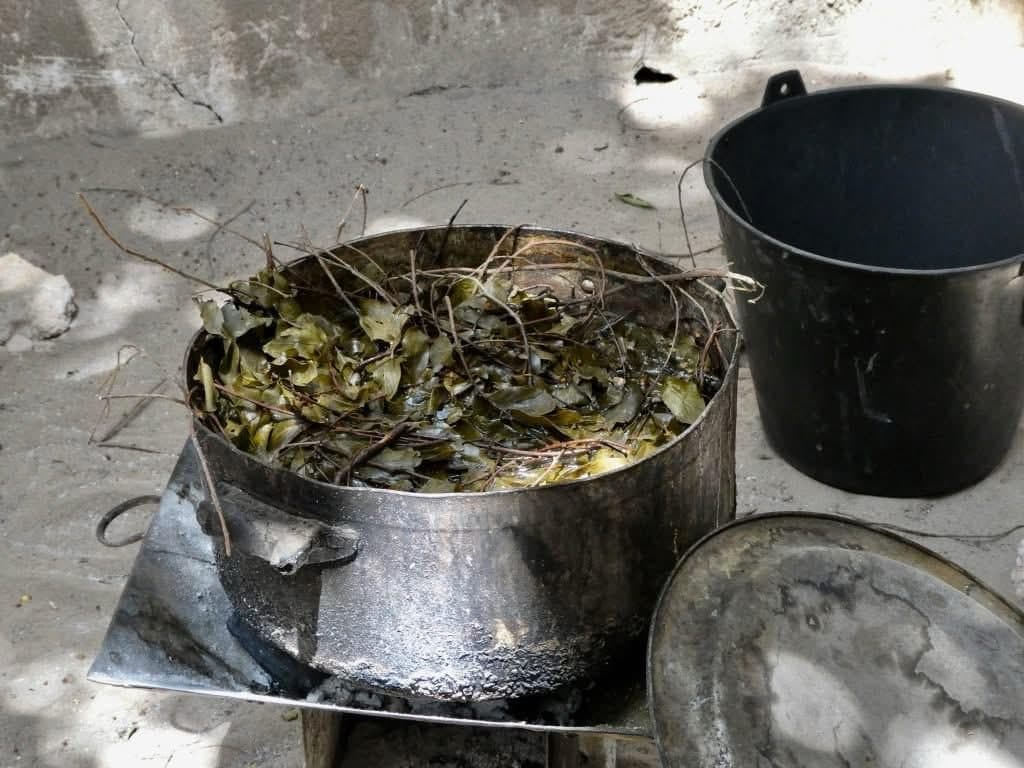
I tell him the colours I would like, and whether it is thick or thin Malikan cotton. Kouza creates every colour from local plants, clay and parts of trees, or combinations of these. In the winter months I can order different colours than in the summer, simply because certain trees and plants are in bloom or not.
Caring for your piece
- Most pieces can be washed at 40 °C in the washing machine.
- Naturally dyed pieces and linen: wash at 30 °C, or by hand. Bogolan is naturally dyed too.
- The first few times, wash naturally dyed pieces together with similar colours.
- Don't dry them in the sun.